If you discover a damaged door or a smashed lock after a break-in, stay calm and prioritize safety. I will walk you through what a 24 hour locksmith Orlando does at night or on a weekend after a break-in, how costs break down, and which questions to ask on the scene. The guidance comes from hands-on experience with lock repair, common damage patterns after break-ins, and pragmatic choices to make under stress.
Safety-first triage for emergency locksmith calls
If you find signs of forced entry, secure the scene and get yourself and any household members to safety. Keep the entrance area undisturbed to preserve evidence and to avoid cutting your hands on jagged materials. Notify police right away when you suspect theft or when the intruder's presence is uncertain.
After police complete the initial report or give the all-clear, look up a local emergency locksmith known for rapid response. When choosing, confirm the locksmith carries liability insurance, displays a license if your area requires one, and has current customer feedback. Check if the locksmith can bring common replacement locks and strike plates so repairs can finish in one visit.
What a locksmith inspects at a forced-entry site
A locksmith begins with a quick safety and structural check around the damaged entry before focusing on the lock hardware. They check for splintered jambs, bent strike plates, and the alignment of the door in the frame. Severe frame damage usually means the home needs a jamb rebuild or reinforcement in addition to new lock hardware.
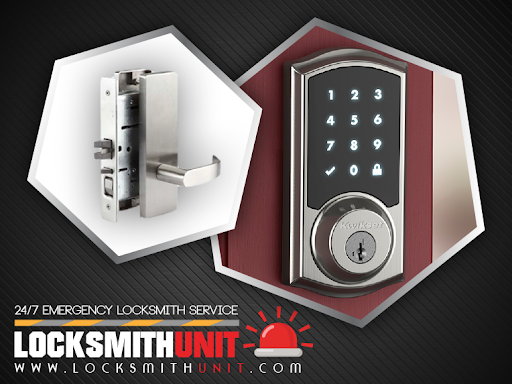
The technician will then decide if rekeying the cylinder, replacing the cylinder, or installing a new lock set is the right remedy. Rekeying works well when the lock mechanism is intact and the threat is unauthorized keys rather than mechanical breakage. When components show mechanical damage from force, the locksmith will usually recommend replacing the damaged parts.
Typical timeline for a 24/7 response after a break-in
A typical emergency arrival window for an Orlando locksmith ranges from roughly 20 minutes to an hour, depending on conditions. During peak times such as late nights or holidays, arrival can push toward the longer end of the window and parts may take longer. On-site repairs for a single damaged deadbolt or cylinder usually take 30 to 90 minutes, while frame repairs extend the job time significantly.
If the locksmith must order a specialty lock or an electronic module, you may face a next-day wait or a replacement with a compatible model. Ask if the crew has standard cylinders, commercial deadbolts, and reinforced hardware in their van to increase the chance of same-visit completion.
Common costs and how emergency fees are structured
Most invoices break out a dispatch fee, the cost of parts, and labor, with additional fees for after-hours or holiday work. Callout fees in Orlando commonly run from around $50 to $150 for night service, but this range depends on distance and company policies. A basic deadbolt cylinder commonly costs thirty to one hundred twenty dollars, but electronic locks and commercial hardware can cost several hundred dollars.
Expect installation labor to fall roughly in the seventy-five to one hundred fifty dollar per hour band during emergency service calls. If structural carpentry is required to repair the jamb, the locksmith will typically subcontract or recommend a carpenter and provide an estimate. Get a written estimate or a clear voicemail confirmation of price components before authorizing work when possible.
What paperwork and photos you should collect while the locksmith works
Photograph everything before the locksmith moves or replaces parts if police have not already instructed you to preserve the scene. Retain removed lock components in case the police or your insurer need them for evidence or appraisal. Note the locksmith's credentials, the van number, and obtain a detailed bill to support an insurance reimbursement.
When you file an insurance claim, insurers usually want the police report number, photos, and an itemized invoice for the repairs. Review your homeowner's policy for coverage of emergency boarding or temporary measures because insurers sometimes reimburse these immediate security actions. Keep copies of all communication with the locksmith and the police for at least the duration your insurer requests documentation.
Choosing the right replacement after a break-in
When the frame remains intact and money is a concern, a certified mechanical deadbolt rated grade 1 or grade 2 gives robust protection quickly. For repeated break-in attempts, older doors, or visible rot, invest in jamb reinforcement and a longer-throw deadbolt for better resistance. Consider smart locks if you plan to manage them properly, because they can be practical when installed and configured correctly.
A good compromise after a break-in is a high-security cylinder plus a reinforced strike plate and three-inch screws in the hinge and strike locations. This approach greatly raises the effort required to breach the door while keeping costs moderate compared to full-frame replacement. Ask the locksmith to show you how the new hardware functions before they leave and to test the bolt under pressure.
Small changes that make a big difference in home security
Exterior lighting and sensible landscaping reduce concealment and make your property less attractive to opportunistic offenders. Using a solid-core door, long-bolt deadbolts, and long screws in hinge and strike locations increases structural resistance markedly. Consider a visible deterrent like a security sign or camera that records continuously, because the perception of surveillance alone often deters simple break-ins.
Avoid leaving a physical spare under mats or planters, and use a keypad or temporary access codes to provide secure guest entry. Tenants should work with landlords to ensure any repairs or upgrades comply with safety codes https://keycutscwh771.theglensecret.com/cheap-and-budget-locksmith-orlando and do not violate lease terms. Regularly test locks and hardware after installation and schedule a follow-up inspection if you notice unusual wear or looseness.
How to vet a locksmith quickly during an emergency
Request the company and technician name and a van description at the time of booking, then check the ID and vehicle when the locksmith arrives. A reputable service can outline expected fees and explain after-hours surcharges before beginning the job. Be wary of technicians who immediately push to destroy hardware instead of offering rekeying or cylinder swaps when feasible.
Confirm the technician's identification and company documentation, and ask if the business is insured to protect against accidental harm. If you suspect the responder is not legitimate, pause the job and verify credentials by calling the listed company number or law enforcement. Honor your concern for speed, but take a moment to confirm credentials so you avoid scams or sloppy work.
A compact evening plan when you need emergency locksmith service
Document the scene with photographs, notify law enforcement if necessary, and move to safety until cleared. Reach out to a reputable emergency locksmith, verify their inventory of parts, and ask for an arrival window and preliminary cost outline. Collect the locksmith's ID and written invoice, save broken parts, and file the police report and receipts with your insurer.
When deciding between temporary and permanent repairs, request a clear cost-benefit explanation and a hands-on demonstration from the technician. The right balance depends on your budget, whether the property faces repeat targeting, and how soon you can schedule structural repairs. When handled deliberately, an emergency locksmith visit after a break-in can restore safety quickly and set you up with stronger protection for the future.